Research
 Mechanisms
of taste reception, transmission, and modulation
Mechanisms
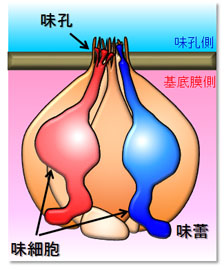
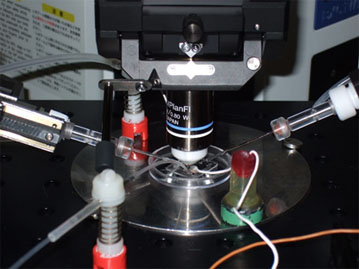
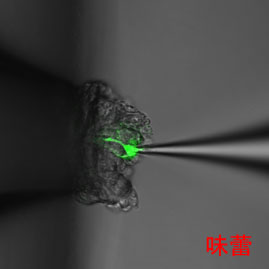
of taste reception, transmission, and modulationFive basic taste qualities are recognized: sweet, salty, umami, sour, and bitter. Significant progress has been made in identifying molecular taste sensors (receptors). Downstream intracellular signaling and release of transmitters from taste cells are also being elucidated. Taste sensitivity changes depending on internal physiological states, and various hormones and bioactive molecules have been implicated in these changes. Our laboratory possesses unique techniques for recording and analyzing taste cell responses, and has contributed substantially to understanding the mechanisms of taste reception, transmission, and modulation. Many mysteries remain, and we aim to use our specialized methods to open new avenues in taste research.
 New
functions of oral and extra-oral taste sensors
New
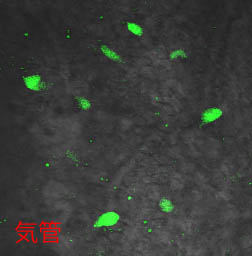
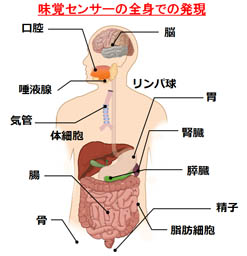
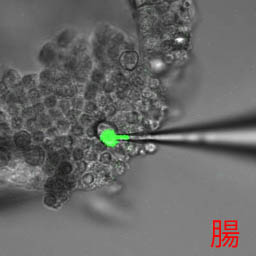
functions of oral and extra-oral taste sensorsTaste receptors are expressed not only in taste buds but also in a variety of organs throughout the body, where they serve diverse functions. For example, bitter taste receptors are found in airway ciliated and chemosensory cells and may detect bacterial signals (such as quorum-sensing molecules), contributing to airway defense. Taste sensors expressed outside the oral cavity are likely to have organ-specific roles. We study the functions of these extra-oral taste sensors and explore how they can be leveraged to support health maintenance and promotion.
 Taste
cell regeneration, differentiation, and neural connectivity
Taste
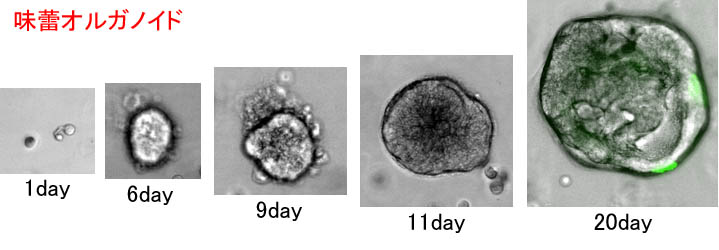
cell regeneration, differentiation, and neural connectivityTaste cells are epithelial in origin and undergo rapid turnover ― estimated to be replaced by new cells about every 10 days. To maintain stable taste signaling to the brain despite this rapid turnover, taste nerve fibers must continuously find and reconnect with taste cells that have the same response properties. Disruption of these systems likely leads to reduced taste sensitivity and taste disorders. With a focus on maintaining and regenerating taste bud function, we use taste bud organoids and co-culture systems with neurons to investigate the factors and molecular mechanisms involved in taste cell differentiation, regeneration, and taste cell–nerve connectivity, aiming to develop strategies to preserve and improve taste sensitivity.